
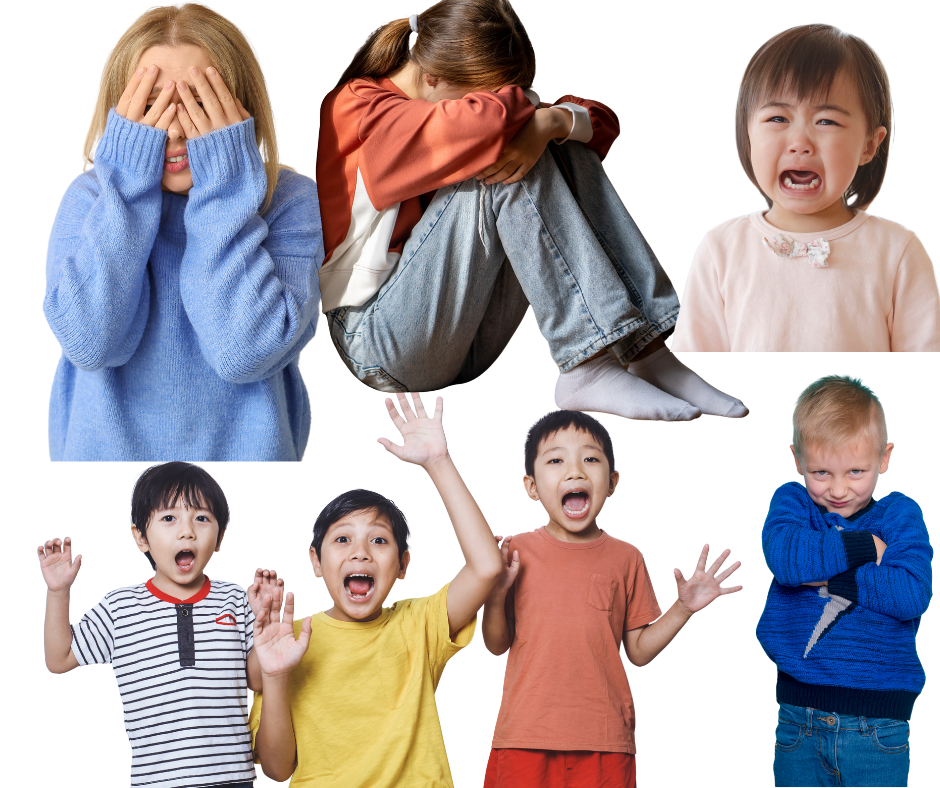
Children experience emotions differently from adults. While adults may talk through worries or stress, children often express feelings through behaviour — changes in sleep, mood, energy, or attention. At certain times of year, especially winter, emotional signals can become more noticeable.
For parents and caregivers, understanding what children might be communicating is a key part of supporting wellbeing.
All emotions are essential in life. Our ability to experience different emotions is important for our safety and survival, our development, forming relationships with other people and feeling connected or getting help when we need it.
Emotions are a powerful form of communication, often revealing important information to ourselves and those around us. For example, if we’re sad and show that through a frown or tears, others might notice we need some care and support.
What children’s emotions might look like:
- Irritability or emotional outbursts
- Withdrawal or quietness
- Increased need for reassurance
- Physical complaints like headaches or stomach aches
- Changes in sleep or appetite

The best way to help your child understand their emotions is by connecting with them as they experience all their different feelings.
How you do that – and how you talk about emotions – depends on your child’s age and understanding.
- With toddlers you might just name the emotion – like ‘You look so sad. That really hurt didn’t it?’
- With preschoolers, you might help them name the emotion or the experience by offering a suggestion. For example, ‘It looks like you feel …’ or ‘Maybe you were feeling a bit …’
You can also talk about how emotions feel in their body. For example, you might say ‘You seemed really cross. What do you think that was about?’ or ‘How did you feel in your body when that happened?’ - With primary school-aged children and pre-teens you can have more complex conversations about all our different emotions, why we feel them, and safe ways of expressing them. Rather than naming emotions, focus on showing you understand and empathise – for example instead of saying ‘You look angry’ you might just say ‘Oh, how annoying’.
Talking with children about big emotions while they’re experiencing them usually isn’t helpful. Acknowledging and naming the emotion at the time helps – but talk about it later, when your child is not overwhelmed by the emotion.
How caregivers can respond supportively:
- Pause before reacting: Observe patterns rather than single moments, notice clues to how your child is feeling
- Name what you see: “I’ve noticed you seem quieter than usual” – validating means making sure your child it’s OK to feel what they do
- Offer reassurance: Let children know emotions come and go – showing your child you understand what they’re feeling helps them feel loved and safe
- Maintain routines: Predictability supports emotional regulation
- Avoid rushing to fix: Sometimes children just need to feel heard
Helpful resources:
- UK: Place2Be, YoungMinds
- US: Child Mind Institute
- Canada: Kids Help Phone
- Australia: Emerging Minds
Key takeaway: When children feel understood, they’re more likely to open up. Emotional awareness grows through calm, consistent attention — not perfection.
To support your child’s emotions and mental health you need to look after your own.
Taking care of yourself will ensure you’re better prepared to notice how your child is feeling and coping, so you’re best able to support them. And remember that children notice and learn from modelled behaviours – so watching you take care of yourself and use positive coping strategies will benefit them too.
Written by: Sylwia Filozof
Comments
One response
This is so true. Kids don’t process emotions through conversation the way adults do. They communicate through behaviour. As a dad, I’ve learned that when you treat the behaviour like the problem, you miss the message underneath. I’ve seen the same dynamic in leadership. People rarely escalate because of the moment. They escalate when they don’t feel understood. Calm presence and consistency usually do more than correction ever will.