
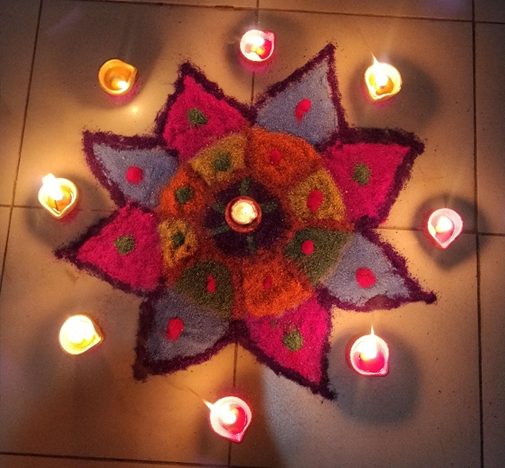
Diwali, also known as Deepavali, is one of the most celebrated festivals in India and among Hindus worldwide. Rooted in ancient traditions and mythology, Diwali marks the triumph of light over darkness, good over evil, and knowledge over ignorance.
Background and Mythological Origins
The origins of Diwali vary across regions, but the most popular legend comes from the epic Ramayana. It is believed that Diwali commemorates the return of Lord Rama to Ayodhya after 14 years of exile and his victory over the demon king Ravana. The people of Ayodhya lit oil lamps (diyas) to welcome their beloved prince, illuminating the entire kingdom in celebration.
In other traditions, Diwali also honors:
- Goddess Lakshmi, the deity of wealth and prosperity, who is said to have emerged from the ocean during the churning of the cosmic sea (Samudra Manthan).
- Lord Krishna’s victory over the demon Narakasura, symbolizing the destruction of evil.
- The coronation of King Vikramaditya, a legendary ruler known for justice and wisdom.
Why Diwali Is Celebrated
Diwali is celebrated over five days, each with its own significance:
- Dhanteras – dedicated to wealth and health.
- Naraka Chaturdashi – marks the victory over evil.
- Lakshmi Puja (main Diwali day) – worship of Goddess Lakshmi for prosperity.
- Govardhan Puja – honors Lord Krishna’s protection of his devotees.
- Bhai Dooj – celebrates the bond between brothers and sisters.
Families clean and decorate their homes, light diyas and candles, burst fireworks, exchange gifts, and prepare festive sweets. It’s a time of joy, renewal, and spiritual reflection.

Importance for Hindus
For Hindus, Diwali is not just a cultural celebration but a deeply spiritual occasion. It symbolizes:
- Inner light: Awakening the light of wisdom and self-realization.
- Moral victory: Upholding righteousness and dharma.
- Community and family bonds: Strengthening relationships through shared rituals and joy.
Message for the World
Diwali carries a universal message that transcends religious boundaries:
- Hope and positivity: Even in the darkest times, light will prevail.
- Unity in diversity: People from different backgrounds come together in celebration.
- Peace and prosperity: Encouraging goodwill, generosity, and harmony.
In a world often shadowed by conflict and division, Diwali reminds us to nurture compassion, seek truth, and spread light in our lives and communities.
Diwali Through the Eyes of a Parent
For parents, Diwali is more than just a festival—it’s a time to pass down traditions, create lasting memories, and instill values in their children. Here’s how the celebration typically unfolds from a parental viewpoint:
1. Preparing Home and Heart
Parents take the lead in cleaning and decorating the home, often involving children in these activities to teach them the importance of renewal and purity. Lighting diyas, hanging lanterns, and creating rangoli become family bonding moments.
2. Teaching Cultural and Spiritual Values
Diwali offers a rich opportunity for parents to share stories from the Ramayana, explain the significance of Goddess Lakshmi and Lord Krishna, and discuss the deeper meanings of light over darkness and good over evil. These stories help children understand moral values like righteousness, gratitude, and compassion.
3. Creating Joyful Experiences
From shopping for new clothes to preparing sweets and snacks, parents work hard to make the festival joyful. They organize fireworks (with safety in mind), plan family gatherings, and ensure that the spirit of celebration is felt throughout the household.
4. Strengthening Family Bonds
Diwali’s rituals—like Lakshmi Puja, Bhai Dooj, and Govardhan Puja—emphasize family unity. Parents use these moments to reinforce sibling relationships, honor elders, and celebrate togetherness.
5. Balancing Tradition with Modern Life
Modern parents often juggle work responsibilities with festive preparations. They may also navigate how to keep traditions alive in urban or global settings, especially when living away from extended family or in multicultural environments.
6. Fostering Inclusivity and Positivity
Parents often encourage children to share the joy of Diwali with neighbors and friends from different backgrounds, promoting the festival’s universal message of hope, peace, and unity in diversity.
A Personal Touch

Diwali: A Parent’s Light in the Festival of Lights
Diwali, the Festival of Lights, is not just a celebration of mythological victories or spiritual symbolism, it’s also a deeply personal and emotional time for families, especially for parents. While the lamps and fireworks dazzle the skies, it’s the warmth of parental love and effort that truly lights up the home.
The Heart Behind the Preparations
For parents, Diwali begins weeks in advance. It’s not just about cleaning the house. It’s about creating a space where joy can flourish. Mothers and fathers often involve their children in these rituals, turning chores into cherished memories. Whether it’s choosing decorations together or making rangoli at the doorstep, these moments become stories that children carry into adulthood.
“I still remember helping my mom make Laddoos (traditional Indian sweets) and sneaking bites when she wasn’t looking,” one parent might say with a smile. “Now, I watch my own kids do the same.”
Passing Down Traditions
Diwali is a time when parents become storytellers. They share tales from the Ramayana, explain the significance of Goddess Lakshmi, and talk about the triumph of good over evil. These stories aren’t just mythology, they’re lessons in courage, kindness, and resilience.
“When I tell my kids about Lord Rama’s return to Ayodhya, I see their eyes light up not just with wonder, but with understanding,” a father might reflect. “It’s my way of helping them connect with their roots.”
Creating Magic at Home
From shopping for new clothes to preparing sweets and organizing fireworks, parents work tirelessly to make Diwali magical. They ensure that every detail, from the flicker of the diyas to the sparkle of the sparklers and crackers, is perfect. But more than anything, they create an atmosphere of love and togetherness.
“It’s not about the gifts or the firecrackers,” a mother might say. “It’s about seeing my children laugh, play, and feel the joy of being part of something bigger than themselves.”

Balancing Modern Life and Tradition
In today’s fast-paced world, many parents juggle work, school schedules, and social commitments. Yet, they find time to keep traditions alive. Whether it’s hosting virtual pujas (prayers) with extended family or adapting rituals to fit modern lifestyles, parents are the bridge between the past and the present.
“We may not be in our hometown, but we still light diyas and sing aarti (holy prayer) together. It’s our way of staying connected.”
A Celebration of Bonds
Diwali is also a time to strengthen relationships. Parents encourage siblings to celebrate Bhai Dooj, teach children the value of gratitude during Lakshmi Puja, and remind them of the importance of family. These rituals become anchors in a child’s emotional world.
From a parent’s perspective, Diwali is not just a festival, it’s a legacy. It’s about nurturing values, creating joy, and building memories that last a lifetime. In every diya lit, every story told, and every sweet shared, there’s a parent’s love shining through.
Post by Prashant Korla
Comments
3 responses
Nice
Not only is this piece well-curated piece but also insightful. A must-read especially for gen apha.
Thank you so much for sharing – this sounds so wonderful