
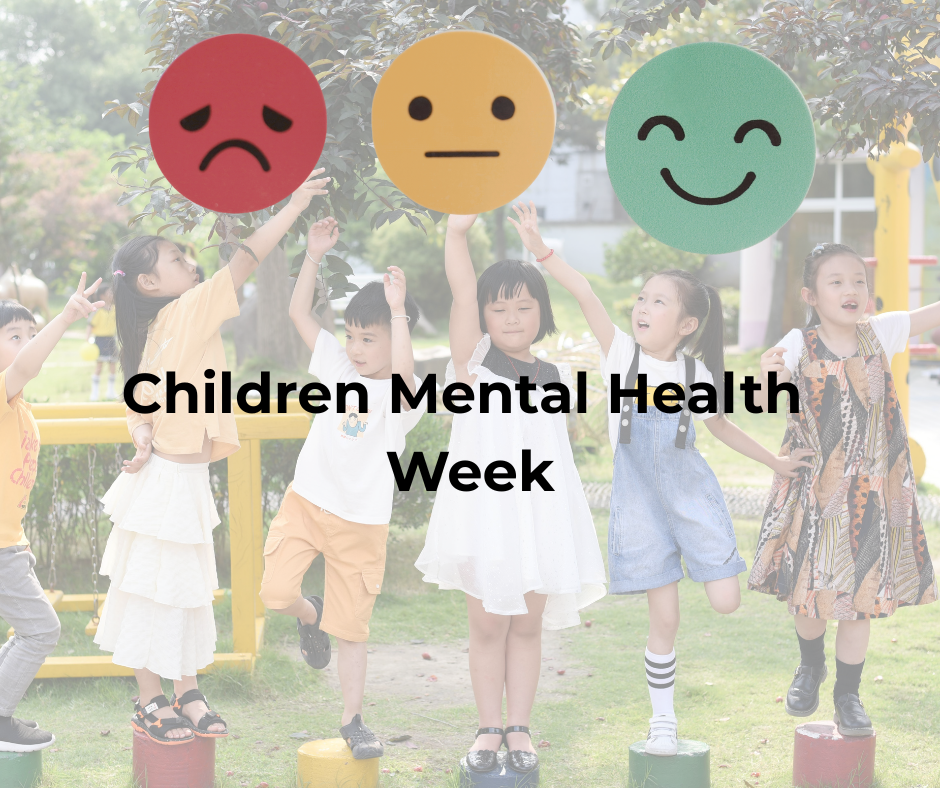
Children’s Mental Health Week 2026 runs from 9–15 February and is organised by the charity Place2Be a children and young people’s mental health charity providing counselling, mental health support, and training in UK schools. This year’s theme, “This is My Place,” shines a light on something fundamental to children’s wellbeing: the need to feel that they belong.
To know our place and really feel part of our environment is a basic human need. It can have powerful and long-lasting impacts in lots of areas of our lives, including our physical and mental health, education, employment and relationships. When we feel that we belong, it empowers us to contribute to the world and make a real difference.
Why belonging matters for children
When children feel they belong, they are more likely to:
- Feel emotionally safe and supported
- Express their thoughts and feelings openly
- Build confidence and self-worth
- Cope better with challenges and change
- Develop positive relationships
Feeling like you belong in friendships, family, school or other groups is essential for your mental health and wellbeing. Being excluded and feeling left out can be very stressful for children and young people. It can feel isolating, lead to emotional distress and fuel anxious thoughts. In fact, experiencing social exclusion as a child is a major risk factor for poor mental health as an adult. Therefore, encouraging inclusive environments where young people feel accepted, valued and heard is vital for preventing mental health challenges later in life.

How parents and caregivers can support belonging
Belonging is built through everyday moments rather than big interventions. Small, consistent actions can make a meaningful difference.
Ways to help children feel they belong:
- Create predictable routines: Familiar patterns provide comfort and security
- Make space for their voice: Let children share opinions and feelings, even when they differ from yours. Create a safe, non-judgemental space where children and young people feel comfortable sharing their thoughts and feelings.
- Notice and include those who might be being left out: Pay attention to others who seem lonely or left out. Small actions, like inviting them to play a game, asking for their opinion or inviting them to sit with you, can make a big difference.
- Show interest in their world: Friends, hobbies, worries, and achievements
- Offer reassurance: Remind children they are valued and loved just as they are
- Celebrate differences: Help children feel accepted rather than pressured to fit in. Encourage children and young people to explore their interests and recognise what makes them unique. Use respectful language and actions that include others and support them to feel confident being themselves. A sense of belonging comes from being accepted for who you are, not from trying to fit in.
When children are struggling
If a child seems withdrawn, anxious, or unsettled, it may be a sign they don’t feel secure or connected. Reaching out for additional support can be a positive step.
Support and resources:
- UK: Place2Be, YoungMinds, NHS Every Mind Matters
- US: Child Mind Institute, NAMI
- Canada: Kids Help Phone, Canadian Mental Health Association
Key takeaway: Belonging isn’t about perfection or having all the answers. It’s about helping children feel safe, accepted, and supported — knowing they have a place where they matter.
Written by Sylwia Filozof
Leave a Reply